Medication is the quiet backbone of daily lifestyles in senior groups. It can retain blood power stable, moods even, and pain attainable. It can even lead to falls, confusion, or health center visits whilst dealt with poorly. The manner a neighborhood organizes drugs leadership tells you loads approximately its philosophy and functions. Nowhere is that comparison clearer than among assisted dwelling and memory care.
I actually have spent years taking walks households by way of equally settings, sitting at dining room tables with weekly tablet organizers unfold out like patchwork, and shadowing nurses on med passes for the duration of the dinner rush. The particulars topic. A neighborhood that matches one man or woman perfectly may well be the wrong event for somebody with delicate cognitive impairment, and the gap simplest widens as soon as dementia advances. Understanding how medical care workouts vary among assisted living and reminiscence care supports you stay away from preventable crises and pick out a place where your loved one can thrive.
The usual ground: pillars of protected medication use
Assisted living and memory care percentage a foundation. Both purpose to give the appropriate medicinal drug, on the correct dose and time, to the correct human being, with the fewest facet effortlessly. That groundwork relies upon on 4 things.
First, a entire, modern medical care listing. This sounds user-friendly, yet so much blunders start with a missing vitamin, replica prescription, or outmoded dose. Communities have faith in prescriptions from the central care company, gurus, and many times telehealth visits. The optimal ones reconcile the list at any time when a new order comes in and after each and every hospitalization.
Second, a approach for monitoring and reporting differences. New drowsiness, swelling, or a cough that lingers may well be a therapy thing. Staff must doc observations, go them to a nurse or treatment technician, and expand to the prescribing clinician whilst patterns emerge.
Third, secure storage and controlled get right of entry to. Whether medications are centrally saved or kept in resident rooms, locks, temperature controls, and audit logs should not non-compulsory. Even a topical ointment can rationale injury if used incorrectly.
Fourth, regular practise. States range on whether or not qualified healing technicians can provide meds or if a nurse have to do it. The most sensible groups move beyond the minimal, with fingers-on refreshers, shadowing, and competency exams in any case yearly.
From there, the trails diverge.
Who manages what: autonomy as opposed to protection
Assisted dwelling most commonly starts offevolved with the assumption that residents can do some things for themselves, inclusive of dealing with side or all in their drugs pursuits. Staff might also activate verbally, supply a reminder card at breakfast, or payment a weekly organizer that household fills. Some residents prevent their own meds in a lockbox and ring down if they want a top off.
Memory care, through design, takes a greater protecting stance. Residents residing with Alzheimer’s or other dementias broadly speaking won't be able to effectively observe timing, comprehend tablets, or count whether or not they already swallowed a dose. In memory care, medicinal drugs are pretty much usually centrally kept, organized via group, and given face to face. Self-management is rare, and even if a resident asks for it, the determination runs thru a careful contrast and regularly occurring rechecks.
These the several commencing issues are not approximately capability alone; they mirror the broader tradition. Assisted living values independence and preserves it, notwithstanding that means accepting some probability. Memory care prioritizes defense and movements to cut down beehivehomes.com confusion, despite the fact that it limits spontaneity. The selection will never be ethical, it can be scientific and real looking.
The day-to-day rhythm: what a med flow seems like
Walk into an assisted dwelling dining room at eight a.m. and chances are you'll see a med cart roll between tables. A authorized nurse or knowledgeable med tech calls residents with the aid of call, verifies identification, and grants morning tablets with water, regularly alongside a blood power look at various or insulin injection. Others take their possess medicinal drugs in their flats in keeping with individual exercises. Timing home windows tend to be versatile, as a rule inside of an hour of the scheduled time, except the drugs requires precision.
In reminiscence care, the med flow is more tightly choreographed. Staff time doses to match tested very own exercises and the community’s everyday glide. A resident who resists tablets at breakfast may well do improved after taking walks within the backyard. Another may well handiest receive treatment whilst an aide they believe is on shift. Staff lean on strategies that go beyond pills in a cup: crushing drugs that permit it and mixing with applesauce, imparting one capsule at a time, or applying small sips of warm tea as opposed to chilly water for those with swallowing concerns. The therapy window is narrower for drugs that impression cognition or conduct, given that a late dose can ripple into agitation via afternoon.
People and credentials: who can supply medications
Regulations range with the aid of country, but some steady styles train up.
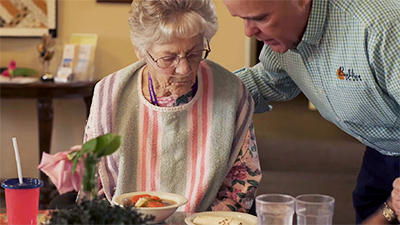
- In assisted dwelling, medicine counsel is perhaps presented by way of a professional medicinal drug technician beneath nurse supervision. Nurses are on site all through designated hours and on name after hours, with 24/7 staffing by means of caregivers. Complex initiatives like insulin titration, tube feeding drugs, or IV antibiotics would exceed the license of the putting, depending on kingdom regulations and provider expertise. In reminiscence care, the identical licensure suggestions practice, but staffing oftentimes skews closer to greater caregiver ratios and greater nurse involvement. Medication aides take delivery of further dementia-special education, and bosses set tighter expectations for documentation and statement submit-dose. For prime-risk occasions, together with PRN antipsychotics, a nurse traditionally assesses the habits, documents non-pharmacologic makes an attempt, obtains orders, and video display units effect.
One warning: job titles can deceive. “Wellness nurse” possibly an LPN or RN, or it can be a supervisor without licensure in a few markets. Ask in particular who passes medicines, their certifications, and who's on web page at 2 a.m. on a Sunday.
Storage and safety: wherein medicinal drugs live
In assisted dwelling, garage relies upon on the resident’s skill. Capable residents may possibly retailer a locked drawer in their residence when the community holds managed substances centrally. When the community manages drugs, they use locked med rooms or carts and defend perpetual logs for managed drugs. Refrigerated models journey in a small locked cooler outfitted into the cart or in a devoted med room fridge with temperature logs.
In reminiscence care, without a doubt all medications are centrally kept. Many communities put off the med cart from conventional regions to lessen confusion and create a calmer environment, with the aid of discreet wall-installed shelves or committed med rooms. Teams continuously colour code drawers or use sizable-print labels to lower down on variety errors for the period of top-site visitors instances.
Assessments and care plans: whilst the plan changes
In assisted residing, citizens can also soar with partial help. Perhaps the network promises morning and nighttime drugs whilst the resident handles midday capsules. If the person begins lacking doses, team of workers doc the trend and request a treatment administration upgrade. The loved ones may perhaps conform to full provider for an ordeal era, with a plan to revisit in 30 days.
In reminiscence care, therapy management is developed in and altered for behavior, swallowing means, and affliction stage. A resident who wallet pills would trigger a speech medical care referral to evaluate dysphagia, a change to liquid or disintegrating tablets when accessible, and a brand new protocol with further water and one-to-one supervision. If sundowning intensifies, the group may well shift timing of antidepressants or cholinesterase inhibitors, or regulate a sleep activities sooner than touching medications at all.
Care plan alterations in both settings may still float from accompanied details. The perfect teams carry families into that loop early, now not after a fall or emergency room consult with.
Polypharmacy: taming the sprawl of pills
Most citizens arrive with a crowded med listing, recurrently eight to twelve drugs, plus over the counter products. Reducing that record improves caliber of lifestyles and reduces menace. Assisted dwelling communities primarily start off deprescribing by flagging duplications or asking prescribers to justify every therapy. The drugs most oftentimes pruned consist of proton pump inhibitors used beyond their fashioned reason, replica laxatives, nightly sedatives that enrich falls, and supplements with no a clean indication.
In reminiscence care, the stakes are sharper. Sedating drugs can get worse confusion and raise fall possibility overnight. Anticholinergic drugs, undemanding in bladder keep an eye on and detailed hypersensitivity meds, can worsen memory problems. A considerate reminiscence care crew pushes for non-drug solutions first: hydration programs for urinary urgency, scheduled toileting, environmental adjustments for sleep, and caregiver ways for anxiety. When a healing is essential, they have a tendency to favor the smallest nice dose and clear aims for what improvement feels like.
Deprescribing takes time and coordination. Families mostly concern a remedy aid will trigger decline. In observe, trimming the med listing more often than not improves alertness and mobility inside days to weeks. The key is a plan: one amendment at a time, careful statement, and an undemanding direction to pause if complications emerge.
Special instances that trade the rules
Parkinson’s infirmity changes the comprehensive agenda. Carbidopa-levodopa wishes desirable timing to govern mobility and tremor. In assisted residing, a resident who can still sense “on” and “off” intervals might also endorse for precise occasions and raise a small go back and forth dose to pursuits. In memory care, crew must anchor the doses to clock instances, now not convenience, and secure that time table from being swallowed by nutrients or staff programming.
Diabetes adds layers. In assisted residing, steady fashion 2 diabetes may perhaps contain oral meds with a day-after-day finger-stick. Memory care sees extra insulin-elegant citizens, some with unpredictable ingesting and wandering. Teams adapt through featuring small, common nutrients, coordinating insulin to really intake rather then appropriate intake, and because of non-stop glucose monitoring whilst a provider orders it and the resident tolerates the sensor.
Anticoagulation invites precision. Warfarin necessities INR assessments and food regimen consistency, which may well be difficult if the resident forgets dietary directions or picks at ingredients. Newer anticoagulants simplify tracking, but require strict adherence to dosing instances. Memory care in many instances manages those more desirable considering group of workers regulate the hobbies, but they also should wait for bruising and bleeding while mobility and falls are an concern.
Psychotropics sit at the crossroads of ethics and protection. Assisted residing has a tendency to take advantage of fewer psychotropics, booking them for diagnosed conditions. Memory care faces refractory behaviors that infrequently justify short-time period antipsychotics or temper stabilizers. Regulations and greatest perform push for non-pharmacologic measures first: noise discount, anguish regulate, established endeavor, and widespread faces. If a treatment is started out, a transparent goal symptom and sundown date may still be set from day one.
Communication loops: holding all and sundry aligned
Medication leadership succeeds whilst suggestions strikes effortlessly. In assisted living, a replace would start off with a functional notice: “Mrs. H skipped lunch and appeared dizzy.” The nurse calls the daughter, who shares that the conventional care medical professional adjusted blood drive meds ultimate week. The group updates the eMAR and tightens blood stress exams for three days.
Memory care conversation comprises habit information and context. “Mr. K refused his 4 p.m. dose, raised voice, and paced for 18 minutes. Calm after tune and a snack.” With 3 identical notes in every week, the nurse calls the issuer to speak about timing transformations, no longer simply dose raises. Families receive weekly updates in many reminiscence care applications simply because behavior shifts will likely be diffused except they may be no longer.
Families aid maximum after they share exterior care changes straight away and convey all prescription bottles, whether they assume the network already has the checklist. Duplicate bottles from the different pharmacies are a commonplace supply of errors.
Technology: priceless, if grounded in reality
Electronic medicine administration data, or eMARs, are known in equally settings now. They slash transcription mistakes, immediate workforce, and create audit trails. Barcode scanning allows determine the properly resident receives the appropriate medication, nevertheless adoption varies with the aid of neighborhood dimension and funds.
Automated capsule % systems from pharmacies make a titanic distinction in assisted residing, relatively for citizens managing part of their very own meds. Packs set up doses via time and date. In memory care, bubble packs nonetheless help, nonetheless workforce oftentimes dispose of and prepare doses other than handing a p.c. to the resident.
Wearables and good reminders can delay independence in assisted residing. A vibrating watch that cues noon pills should be would becould very well be sufficient for someone with slight cognitive trade. In reminiscence care, the character would possibly ignore or misinterpret activates. A human cue introduced frivolously, within the properly tone, and on the true moment stays the gold widespread.
Transitions of care: in which mistakes hide
The riskiest time for medicinal drug error is after a clinic or rehab remain. Discharge orders most commonly differ from the pre-health center checklist. Assisted residing group of workers would have to reconcile lists, discard outdated bottles, and determine new doses with the supplier. Families sometime carry a bag of recent meds and depart the previous ones “just in case,” which units the level for duplication.
Memory care handles transitions with greater strict quarantine of vintage medicines. Many groups require pharmacy-brought blister packs formerly resuming administration, however that means a transitority prolong even though a nurse uses a written stat order and a small starter deliver. The further step would feel bureaucratic, yet it prevents double dosing.
If your beloved is heading again to both environment, ask for a plain-language medicinal drug precis from the hospital and be sure who calls the group nurse. A 10-minute cellphone call beats a dead night scramble every time.
Respite care: quick remains with long-term implications
Respite care adds an extra wrinkle. Families in most cases use respite for per week or two in the course of travel, caregiver restoration, or to test a group more healthy. Medication management in the time of respite is totally managed by using team in memory care, when assisted residing could let self-administration if the resident arrives with a transparent components and demonstrates competence. In my trip, respite is the perfect time for a therapy tune-up. Staff can track what basically will get taken, what appears pointless, and how timing impacts electricity and sleep.
If you plan a respite dwell, bring latest orders, all remedy bottles in common pharmacy packaging, and the closing two months of any labs tied to medicinal drugs, akin to INRs or thyroid checks. Label appliance like glucose meters and inhalers. Tell the group how you cue medicines at dwelling house, right down to small tricks like via heat water or presenting a mint after a bitter capsule. Those details modern the 1st days.
Costs and insurance coverage: what households will have to expect
Medication control has a fee constitution that catches some households off maintain. Assisted residing continuously fees in stages: a modest money for reminders only, larger for complete administration, and additional prices for insulin injections, nebulizers, or regularly occurring PRN oversight. The pharmacy % value could be separate. Costs fluctuate extensively by place, however a per 30 days cure administration money in assisted living typically lands within the low hundreds and climbs with complexity.
Memory care basically bundles medical care management into the base expense, with add-ons for prime-acuity responsibilities. Because basically all residents take delivery of complete treatment administration, the budget assumption is different from day one.
Medicare does now not pay room-and-board in either placing. It does conceal pharmaceuticals by using Part D plans, matter to copays and formularies. Many groups have most popular pharmacies that combine with their eMAR technique. You can usually opt out, however the business-off is slower order turnaround and more menace of overlooked doses at the same time group reconcile external bottles. Long-time period care assurance would possibly reimburse some medicine-relevant expertise, depending at the policy. It is well worth inquiring for a benefits review beforehand stream-in.
Red flags and amazing signs and symptoms throughout the time of a tour
You can analyze rather a lot approximately drugs leadership in 15 minutes in case you understand what to watch. Look for a relaxed, geared up med cross. Staff may want to be certain id without shouting across the room. Ask to determine how the neighborhood archives PRN medications and stick to-up impact. If they will not present you in real time, that could be a yellow flag.
Watch how body of workers reply when a resident refuses a dose. Coaxing that respects dignity beats rigidity or threats. Ask how the neighborhood handles a overdue pharmacy transport or a missing dose after hours. The nice teams have backup stock and a nurse who can obtain a stat order, no longer a shrug and “call the general practitioner inside the morning.”
On the garage front, search for temperature logs on med refrigerators and a controlled substance remember that suits the remaining entry. Ask how ordinarilly they participate in healing audits. If the reply is most effective “while the state comes,” avert asking.
Family roles that make a difference
Even while a community manages medication, households have leverage to enhance safe practices.
- Keep one prescriber inside the lead. A popular care or geriatrician who coordinates cardiology, psychiatry, and neurology enables keep duplicates and interactions. Bring each bottle and discard old ones. If a drugs became stopped, do now not leave it “simply in case.” Old bottles uncover their approach returned onto lists. Ask for a quarterly evaluate. Meet with the nurse to discuss every one healing’s reason why, dose, timing, and said impression. Agree on applicants to taper. Share styles. Tell workforce what you see on visits: naps after lunch, stressed evenings, problems swallowing. Those clues steer dose timing and formulations. Plan for emergencies. Make sure the community has your consent for status orders when really good, consisting of rescue inhalers, and a transparent plan for after-hours changes.
These are not burdensome chores. They are conversations that preserve the consumer on the core of the plan.
When assisted residing is no longer enough
A resident might also get started in assisted living with faded medical care strengthen and later need the regulate and consistency of reminiscence care. The pivot ordinarilly turns into glaring in several patterns: repeated refusals, risky duplications, pocketing capsules, worsening agitation after overlooked doses, or common health facility visits for dehydration or falls tied to sedating medicines.
Communities care for this lightly whilst likely, trialing extended enhance first. If added staff time does not stabilize things, reminiscence care affords the format that makes medical care more secure. Families hardship that the go will suppose like a loss. Often, the other takes place. With a continuous pursuits and less medicinal drugs, many citizens turn out to be extra alert and engaged inside of weeks.
The quiet metric that matters
At its very best, therapy administration fades into the heritage. Meals taste exact. A stroll after lunch feels traditional. The afternoon nap refreshes other than sedates. In assisted dwelling, that feels like a resident nevertheless sporting their possess rhythm, with sophisticated, compassionate scaffolding. In reminiscence care, that feels like a day that flows, not seeing that every little thing is controlled, yet on account that the workforce is aware of whilst to bend and while to anchor.
The variations between assisted dwelling and memory care medicine workouts are not bureaucratic quirks. They are reflections of how every single putting supports anyone’s competencies and protects against truly disadvantages. When you overview communities, photograph the particular person you adore on a Tuesday at 3 p.m. Who is handing them a pitcher of water, how do they be aware of it is time, and what occurs if right this moment isn't really like the day gone by? If the answers suppose distinct, calm, and level-headed, you are on the precise observe.
BeeHive Homes of Albuquerque West
6000 Whiteman Dr NW, Albuquerque, NM 87120
(505) 302-1919